
Sète, a Provençal marvel with its famous lake.
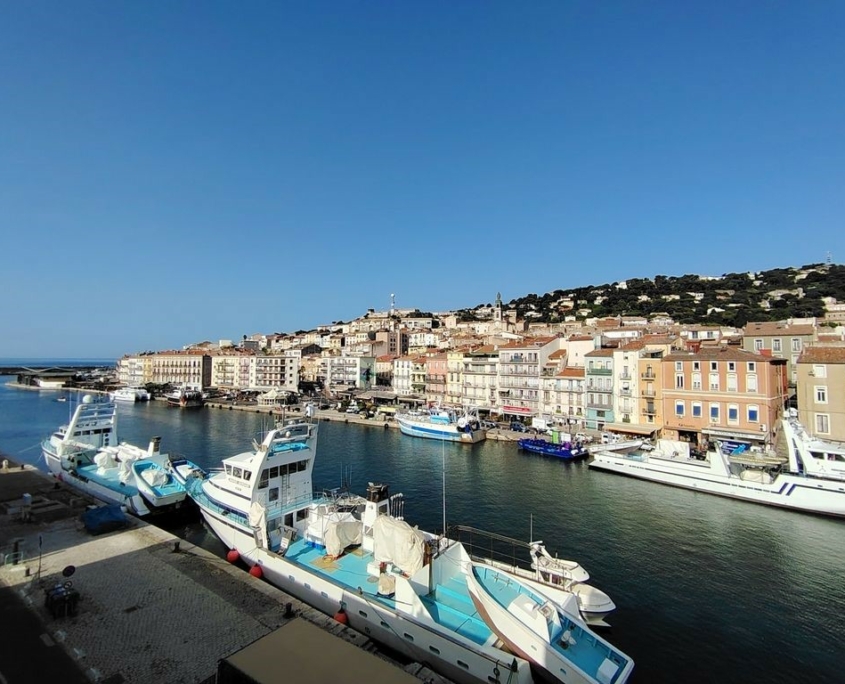
Sète, another Venice
Sète is undoubtedly less well known than the other beautiful French Mediterranean city, Aix-en-Provence. However, this pretty town has many attractions to seduce visitors.
It is even gifted at doing so. Between the Mediterranean Sea and the lagoons, Sète is a town of water. Visitors are immediately captivated by the links forged between the mineral and aquatic worlds.
Some call Sète the ‘Venice of Languedoc’, the region where it is located. So be it. At www.lisbonne-affinités.com, we were charmed by the constant interplay between history and the present, the friendliness of the inhabitants, their sense of hospitality, and the art that punctuates this largetown of nearly 50,000 inhabitants in various forms.
Joyful, festive, gourmet… Sète is a true Mediterranean city, proud and cheerful.
The Sète Tourist Office helped us discover the city and its surroundings. And the ‘Archipel de Thau’ programme, which brings together the city and 14 municipalities, is an invitation to take the time to discover the wonders of the city and its hinterland.
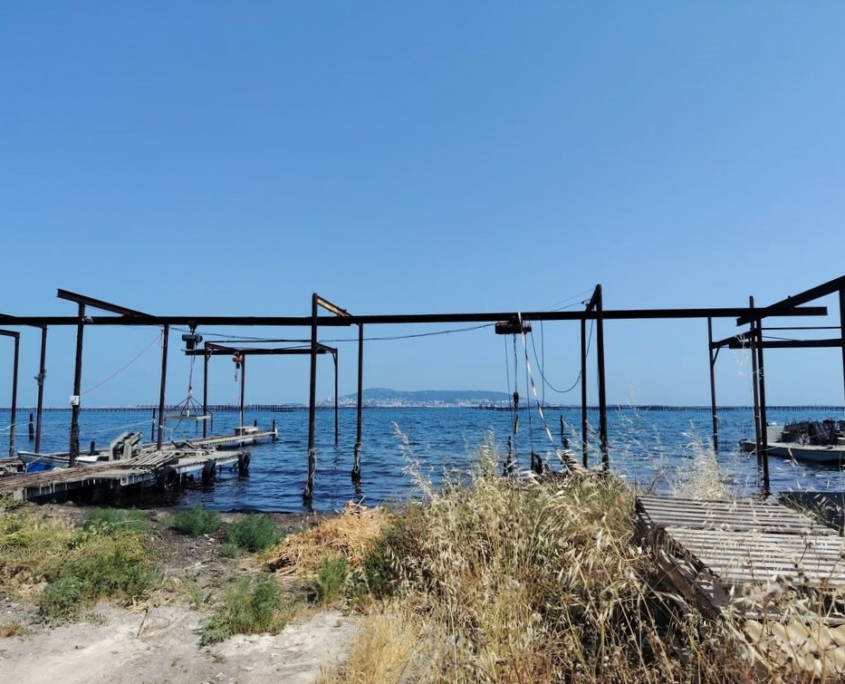
Sète on the water.
Sète, as we have said, is a water town. And it is all thanks to a king, Louis XIV, the Sun King, who needed a port at the mouth of the Canal du Midi.
The first stone was laid in 1666. But it would take time for Sète to become one of the most iconic cities of 17th-century France. Colbert, the famous minister of the Sun King, initially wanted a port, just a port.
But Sète decided otherwise.
You must visit the Saint Louis Lighthouse at the mouth of the channel. It stands on the 650-metre-long Saint Louis pier (quay). The pavement dates back to the city’s founding.
The view of Sète from the Saint Louis Lighthouse is remarkable. Large ships are moored at the quays: they depart regularly for North Africa, and Sète is one of the busiest ports for these Mediterranean destinations.
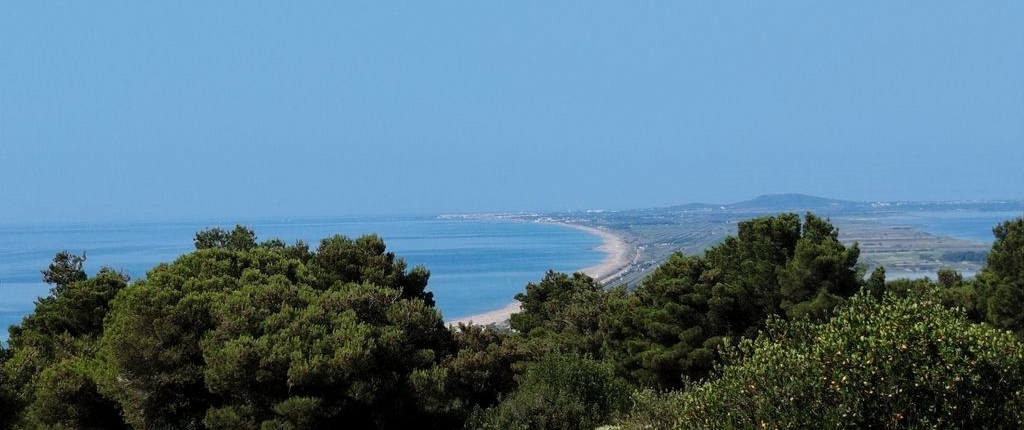
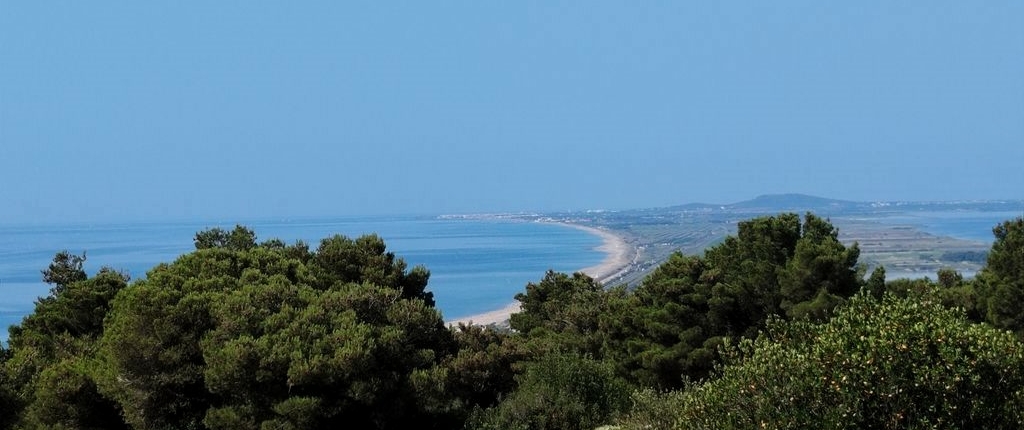
From the quay, you can reach the town centre or the beaches – the lido, a strip of sand between the town and the lagoons.

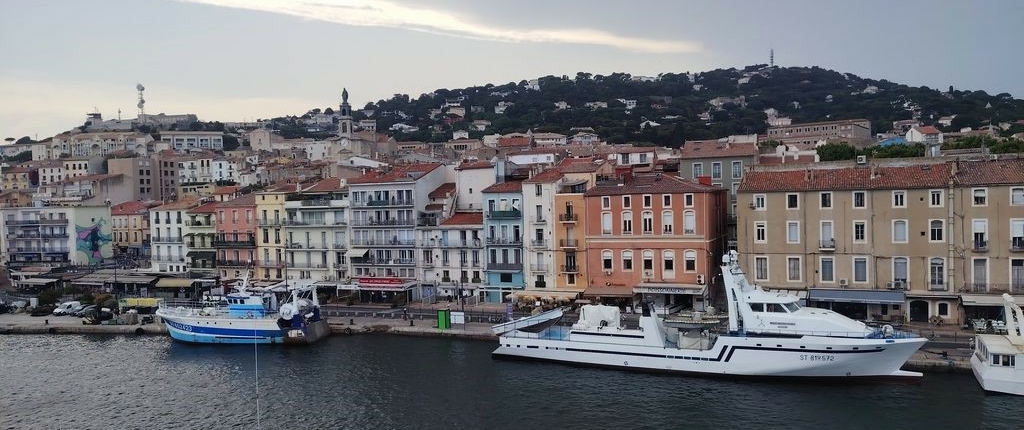
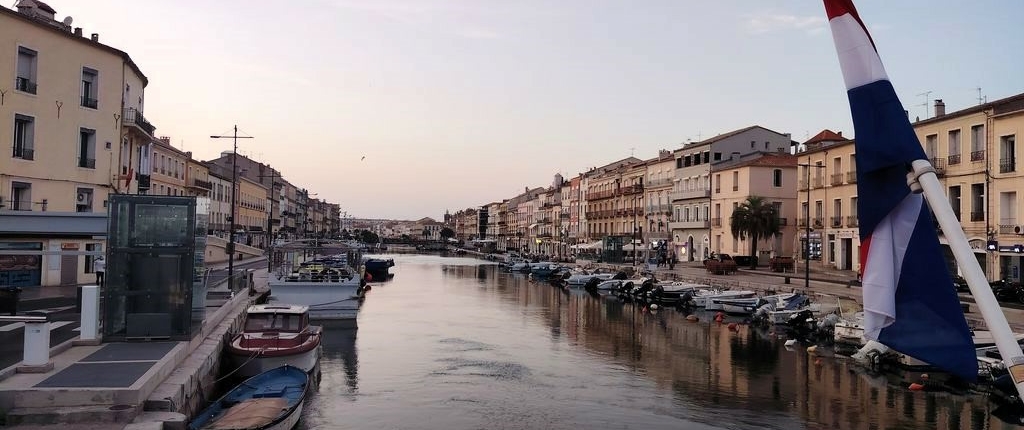
The canals make Sète a serene place
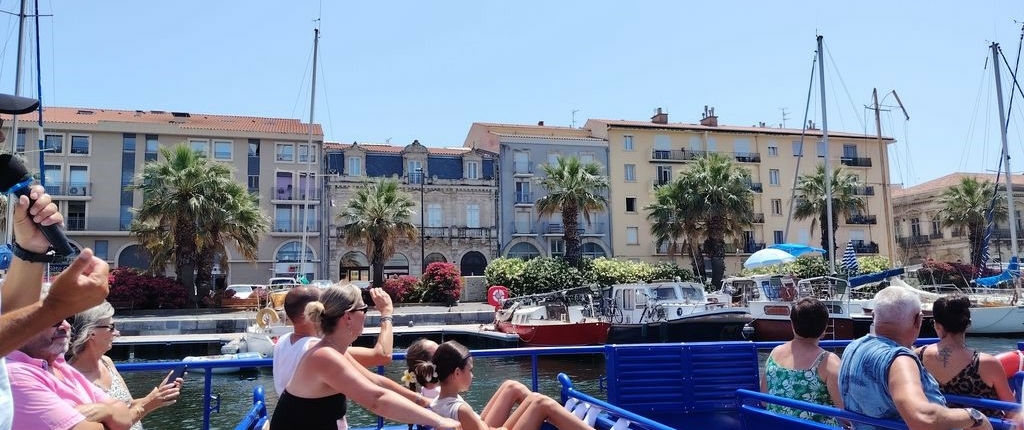
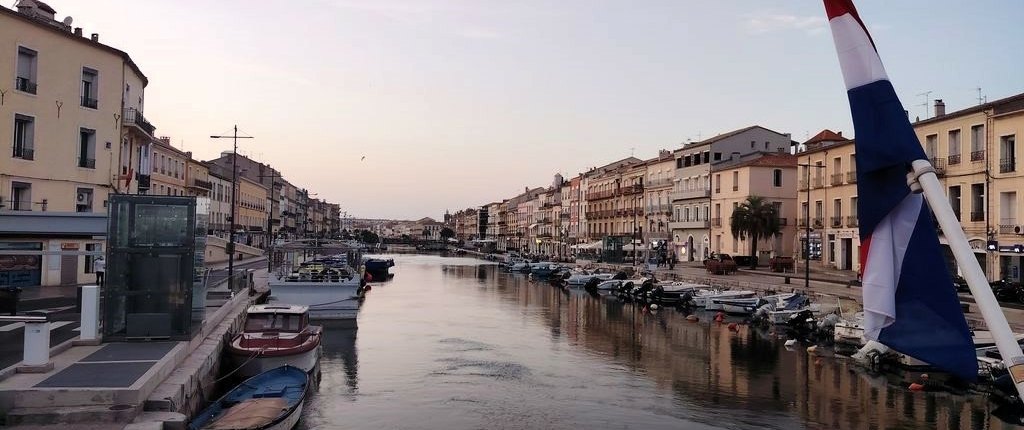
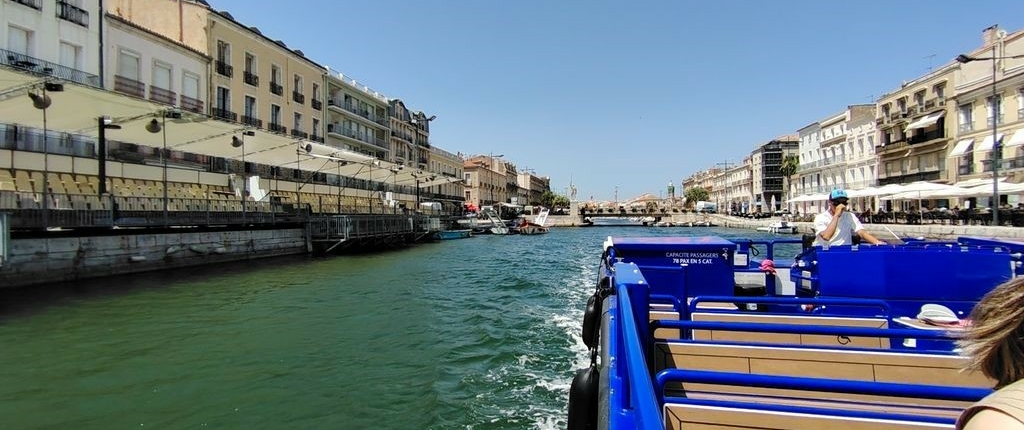
The best thing to do in Sète is to explore the canals by boat. There are many options available, but they all aim to show you the city ‘from the inside’.
And they succeed. With the quays right under your nose, you feel as though you are entering the architectural heart of the city.
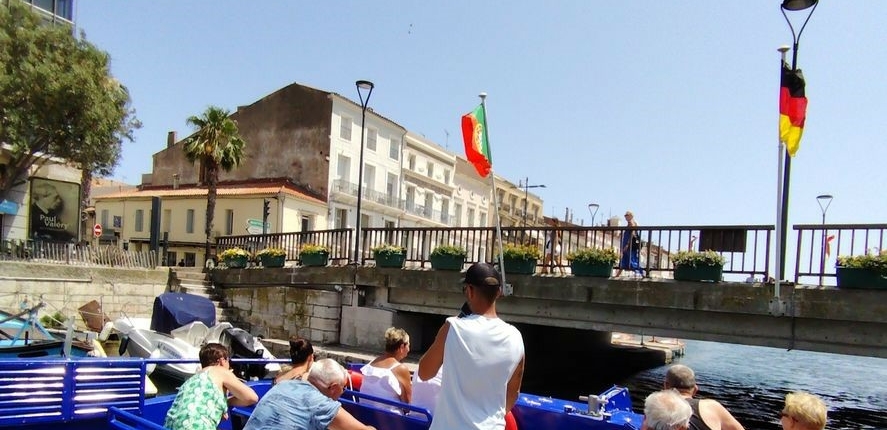
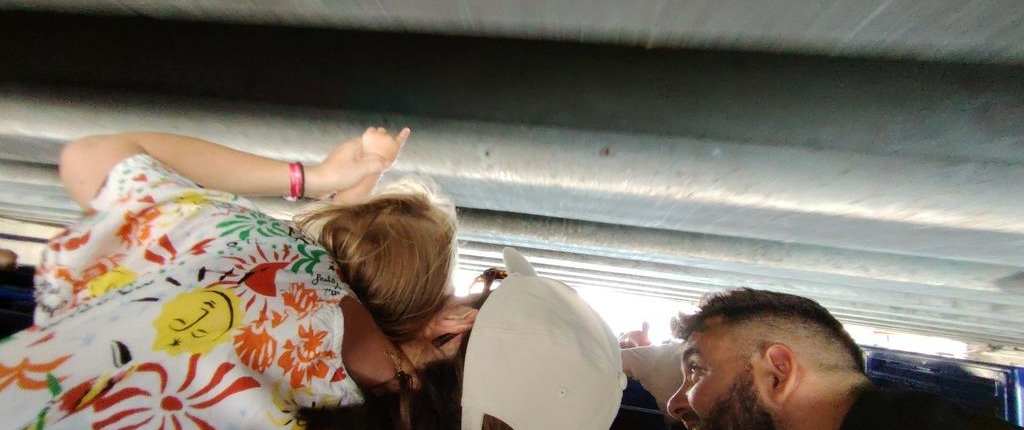
Although little remains of the 17th-century city, except for its layout, it is well worth a visit. The Grand Canal, the bridges – sometimes you almost have to lie down to pass under them – the facades of the tall Mediterranean houses… everything is enchanting.
The bridges are also essential elements of the urban framework: the Pont Pierre et Colette Soulages, formerly known as the Pont Royal or Pont Napoléon, the Pont de la Virla over the Canal de la Pérade, and the Pont Maréchal Foch with its counterweight.
There are many of them. And sometimes you almost have to lie down to pass safely under the bridge deck.
If you can, take a look at the canal bridges, such as the Orb bridge, which allows the canal to pass over another waterway. Impressive ingenuity!

Gaining height
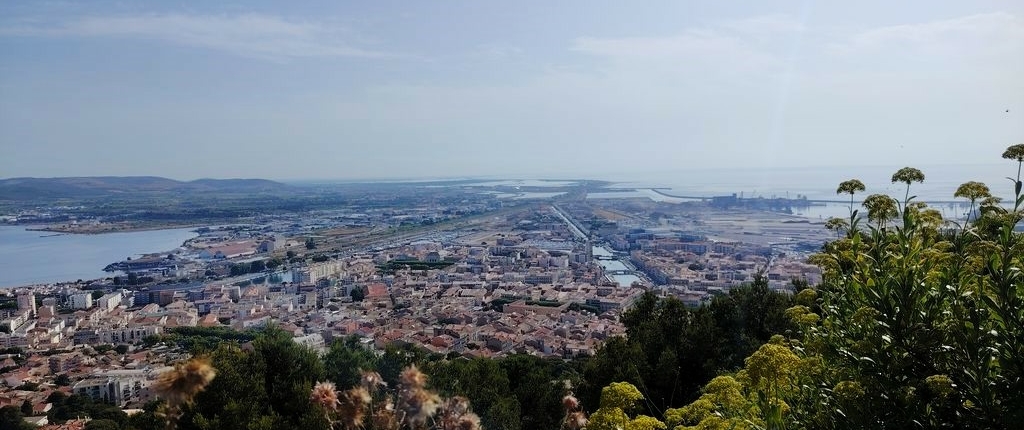
It is when climbing Mont Saint-Clair that one understands why Louis XIV and Colbert set their sights on the natural harbour of Sète.
The 175-metre promontory acts as a natural guardian of the region and guarantees good visibility from the Mediterranean in a flat landscape.
At the top, there is a breathtaking view of the Thau archipelago, Sète, the Lido, the beaches and the Mare Nostrum stretching as far as the eye can see.
The Pierres Blanches national forest offers a glimpse of nature that glows pink at sunset.
Don’t miss the Chapel of La Salette, built on the site of an ancient hermitage. It dates from the 18th century, but it is the frescoes painted between 1952 and 1954 by Jacques Bringuier that have made it famous. Unfortunately, time has damaged the paintings, which have been gradually replaced by paintings in other styles, with the exception of two of them.
On the way back down to Sète, through the very typical Quartier Haut, you can admire the almost Spartan geometry of Sète, designed in a very functional way to serve maritime trade.
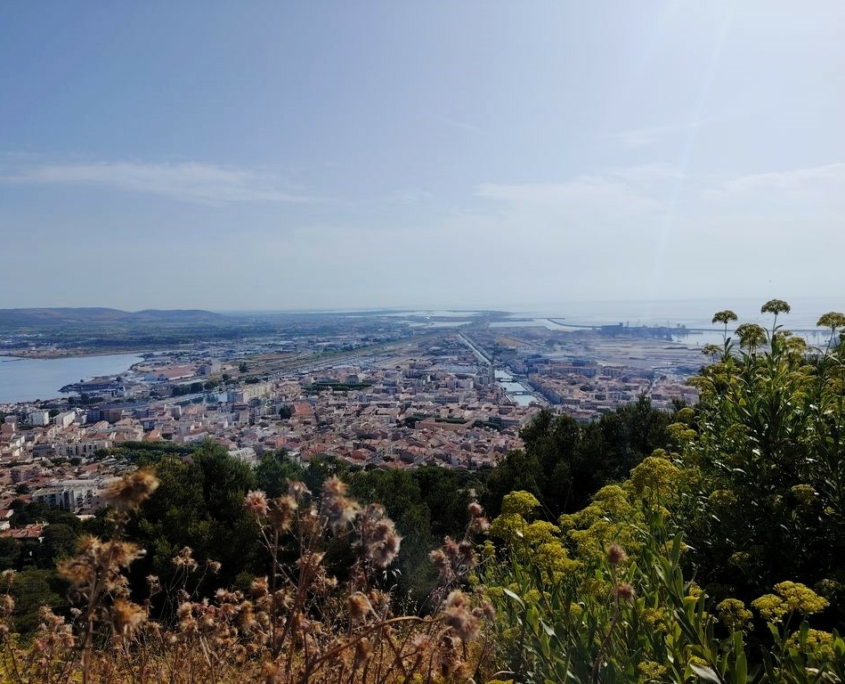
The sea and the Thau lagoon: a perfect combination.
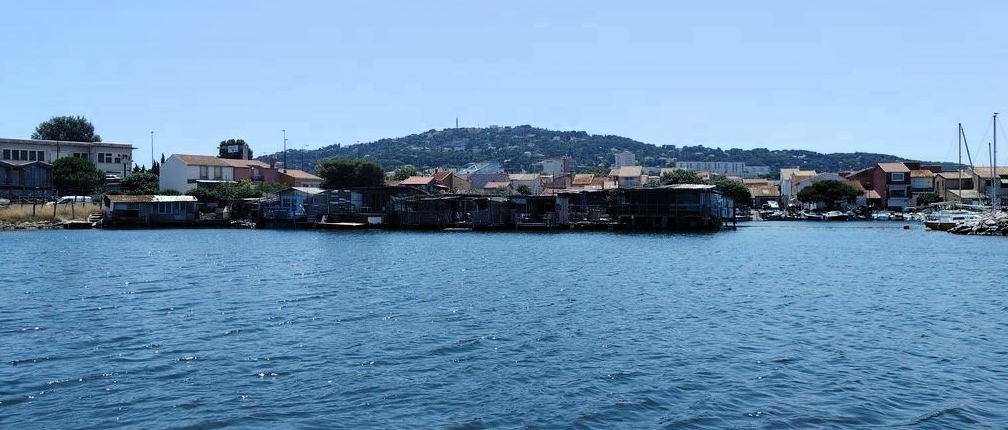
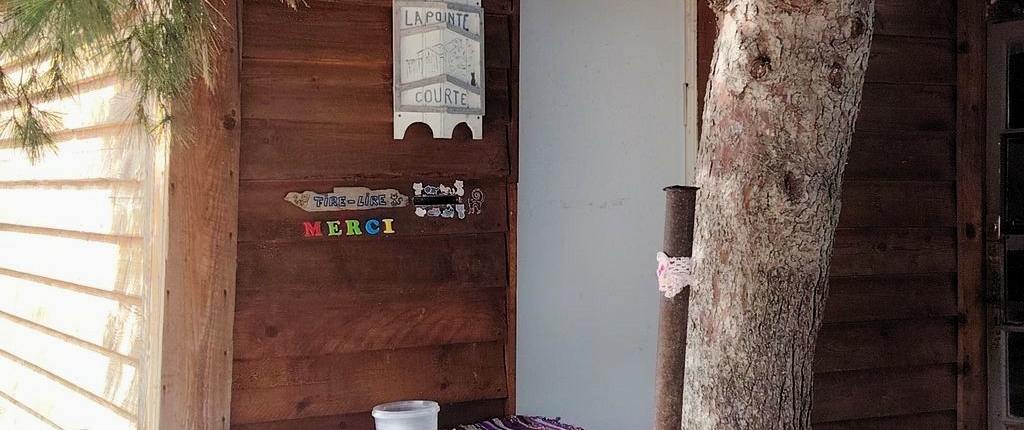
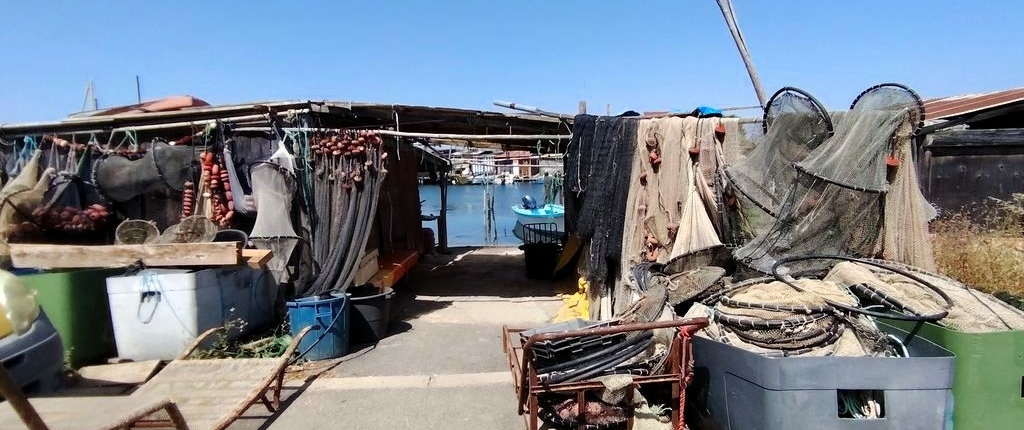
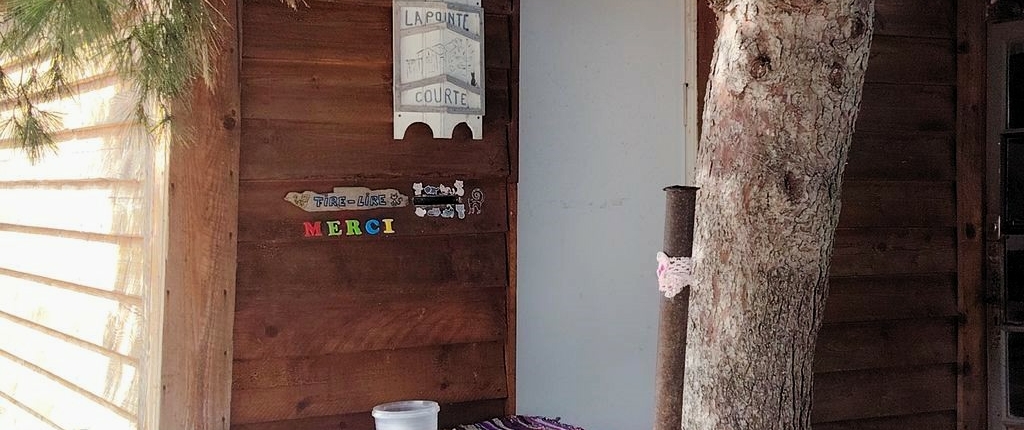
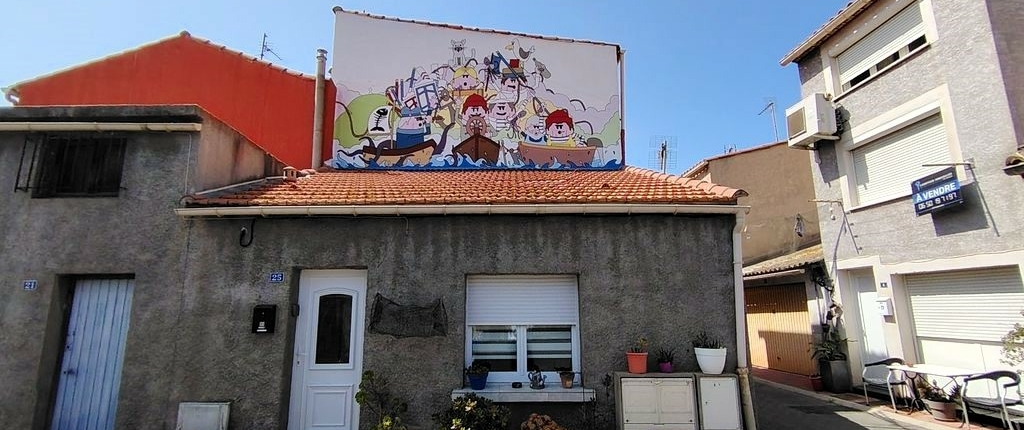
The maritime heart of Sète beats at Pointe Courte. In the 19th century, fishermen set up huts here to store their nets. Built around a few streets and alleys, facing the Thau lagoon where the Peyrade Canal flows, the neighbourhood now consists of small houses.
But Pointe Courte has retained its family spirit, characterised by solidarity and the frankness typical of the area.
At aperitif time, tables are set up outside the front doors, and friends and families gather to put the world to rights and talk… about fishing.
Take the time to stroll through the narrow streets of Pointe Courte!
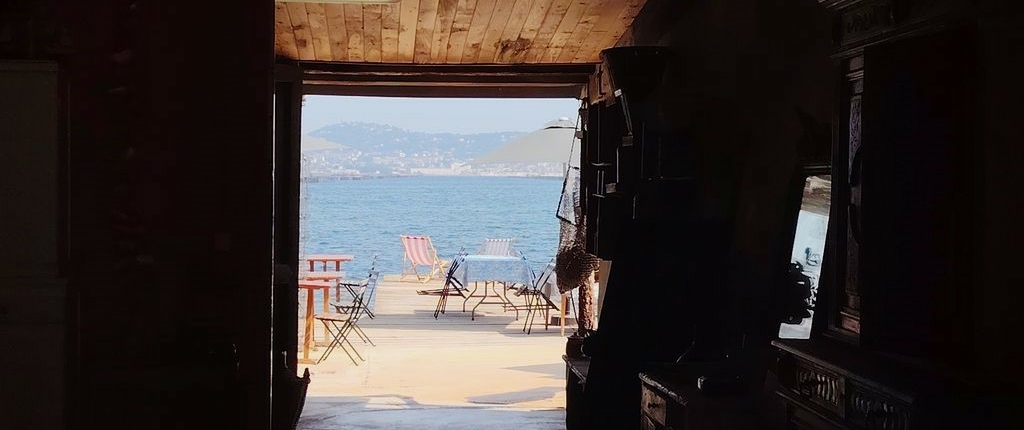
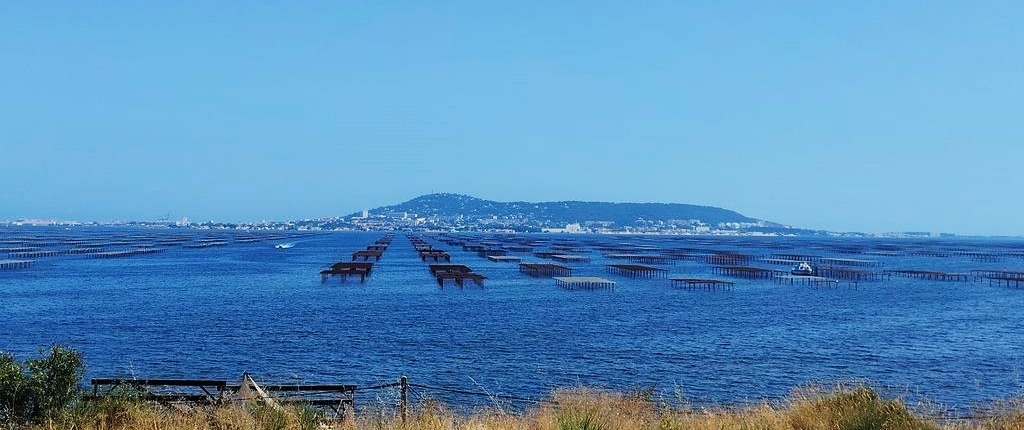
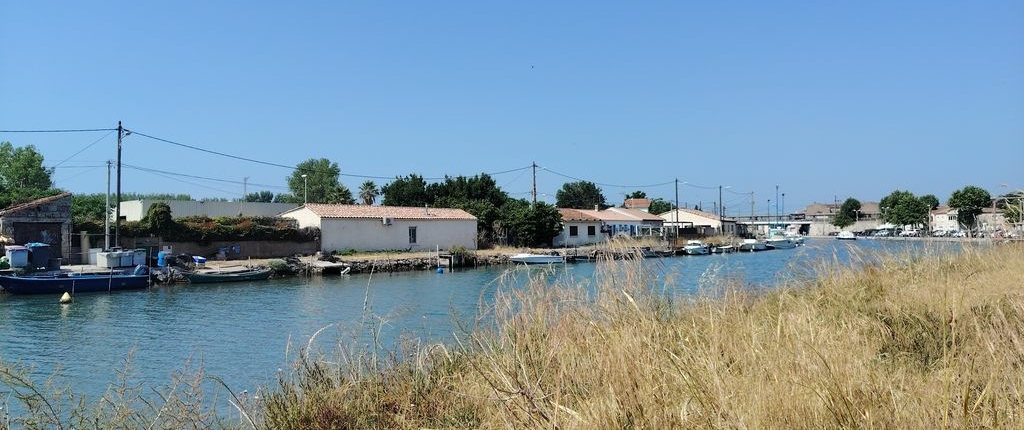


Gourmandise, one of the deadly sins of Sète.
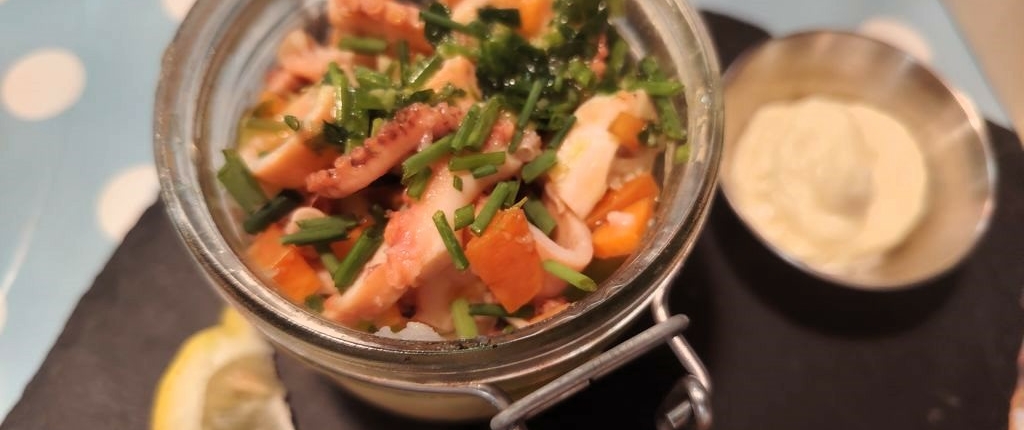
Where to start? The cuisine here is rich and varied, and once again, the sea is omnipresent. Fish, squid, mussels, octopus and oysters are emblematic.
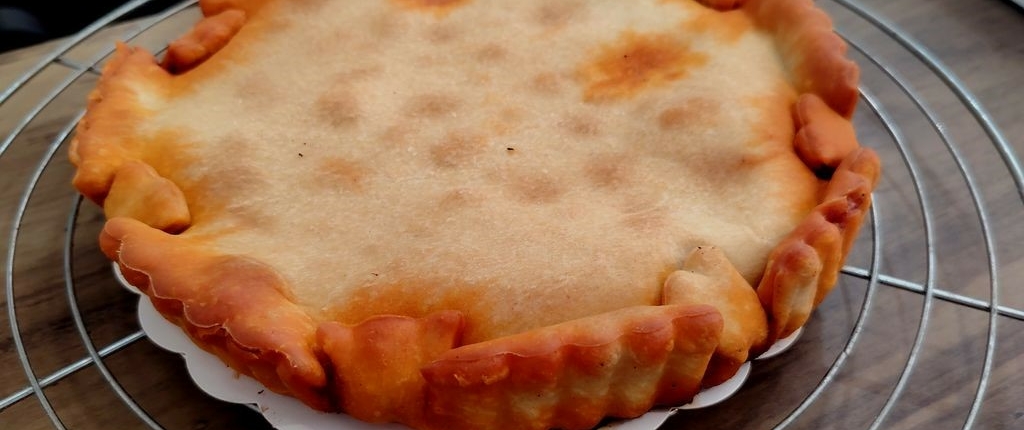
The original Tielle is a pie made with tomato, spices and octopus. www.lisbonne-affinités.com, try Joseph’s, one of the specialists in the heart of Sète, a craftsman from father to son. A subtle taste for a dish that can only be found here.
The other delicacy of the region is undoubtedly the oyster. It is cultivated on ropes attached to ‘tables’ with their feet in the water of the Thau lagoon. Oyster farming has shaped a marine landscape that is unique in the world.
Some of the producers, often called ‘sea farmers’, offer tastings on site, in their farmhouses by the water, particularly in Bouzigues, a town that is part of the ‘Thau Archipelago’.
As for sweets, the humorous people of Sète have created the ‘Zézette’, a biscuit with an evocative shape. It is made from flour, olive oil, vanilla flavouring and a dash of Frontignan.
Find our culinary suggestions in the last paragraph.

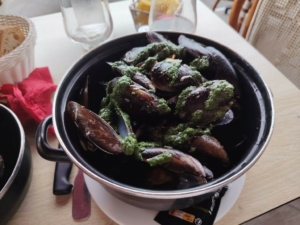
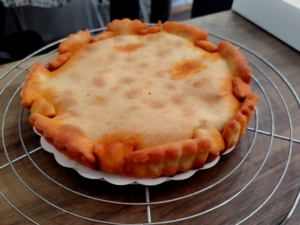
Frontignan, a nectar raised under the Provençal sun
Frontignan! For connoisseurs, it is a sure bet. And for those who are discovering it, it is a wonderful encounter.
The town of Frontignan, in the hinterland of the Thau archipelago, is the capital of the vineyard of the same name. This vineyard is adjacent to the Gardiole massif and stretches between the Thau lagoon and the Mediterranean Sea. An ideal location for developing character.
Louis XIV, once again, wanted to export Frontignan wines when he created the port of Sète. That’s how important it is.
Frontignan is actually a sweet wine made from small-grain white Muscat grapes. It is an appellation d’origine contrôlée (AOC) that now comes in many varieties: dry, sparkling, sweet, marc, etc.
Frontignan is an exceptional wine. The palate is bursting with sun-ripened fruits, figs, walnuts, raisins and dried apricots.
Eight producers, including the Frontignan Cooperative Winery, produce this marvel. Take the time to visit Frontignan, a Provençal village.
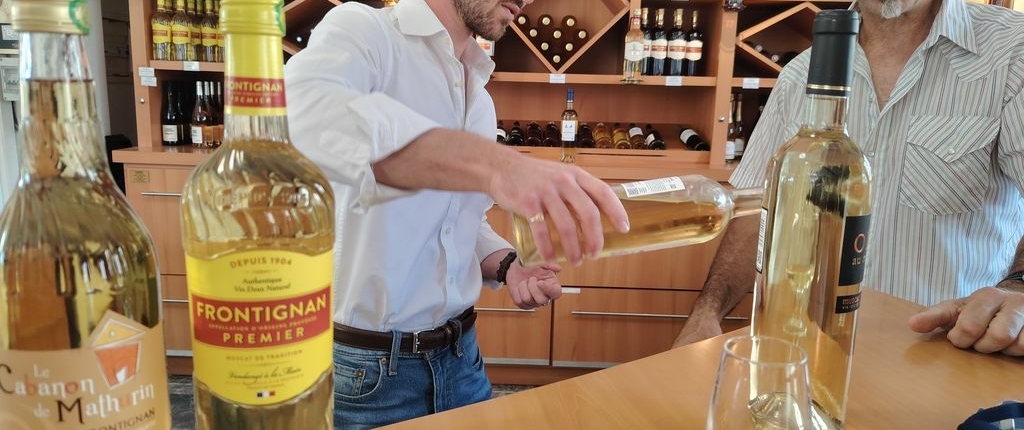
Stop by the cooperative winery. They sell the famous twisted bottle.
The SCA Frontignan Muscat is located at 14 Avenue du Muscat in Frontignan.
You can taste the wine and learn all about this famous wine, which is a must in the region. And visit the vineyards!
https://www.frontignan-tourisme.com/frontignan-muscat-sca-deglar034fs0009s.html
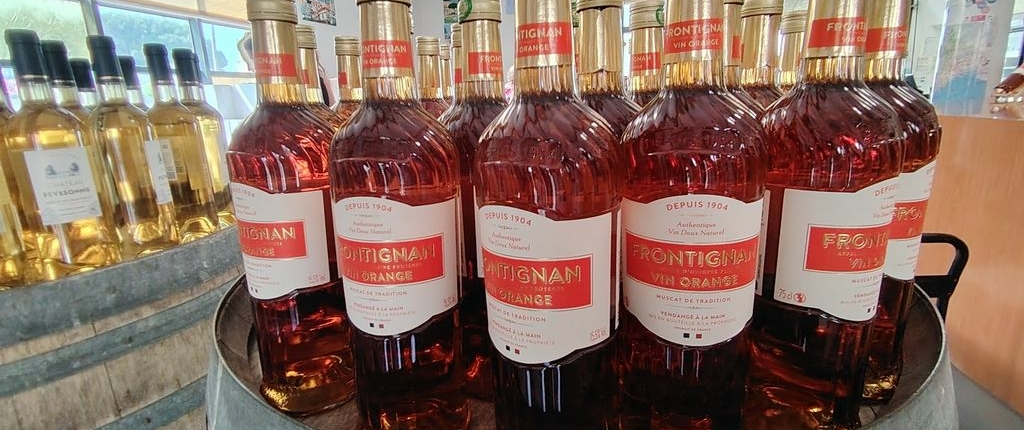




Sète, an informed city
We have mentioned the warm welcome that the people of Sète give to visitors. Our selection of places for an optimal stay
Where to stay?
The L’Orque Bleue hotel.
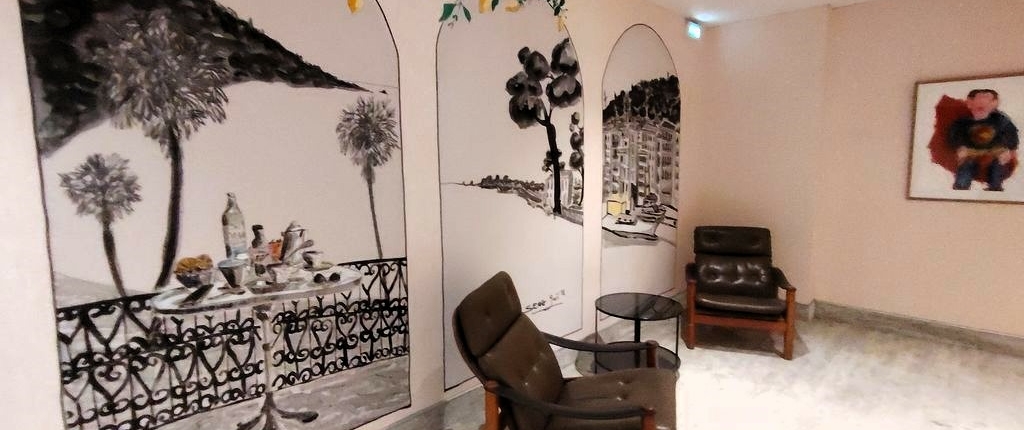
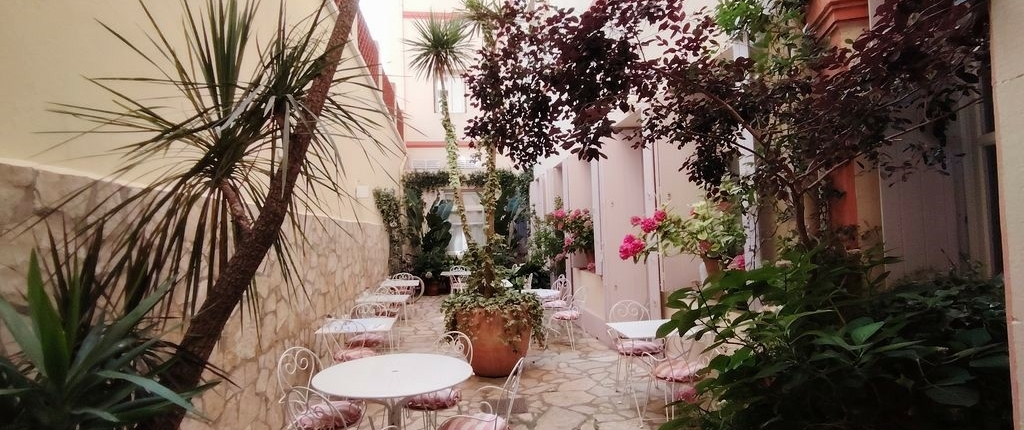
The hotel is particularly well located on the banks of the main canal. Its façade looks like something straight out of a 1940s film. The hotel is arty, with a boutique feel. Numerous works of art adorn the floors. A delightful patio is the perfect place to enjoy a peaceful breakfast, while a terrace overlooking the street is ideal for sipping a coffee and sampling a local speciality.
Ask for a room with a canal view.
Where to eat?
Halles & Manger.
A great place to eat. Located in Les Halles, in the heart of Sète, the Halles et Manger restaurant is inspired by traditional cuisine. It draws on the stalls of the covered market and offers the best of the Mediterranean. Oysters, razor clams with parsley, octopus, sardines, cod fillets, macaronade, merlan en colère. Try the black agata. And for dessert, a seasonal fruit tart. You can even take a cooking class, a must. With good, no-fuss Languedoc wines. A great place to eat!
https://www.hallesetmanger.com/le-restaurant/
La Mesa
In the Forêt des Pierres Blanches (White Stones Forest) on Mont Clair, a lovely restaurant worth trying. Coffee, waffles, pancakes, breakfast… Beautiful view of the beaches below.
www.lespierresblanches.com
Le Passage
Short-cut, seafood, kebabs, grilled meats, tapas.
1, quai du Mistral Sète
Tielle Chez Joseph. Artisan.
Terre Singulière. Souvenirs.
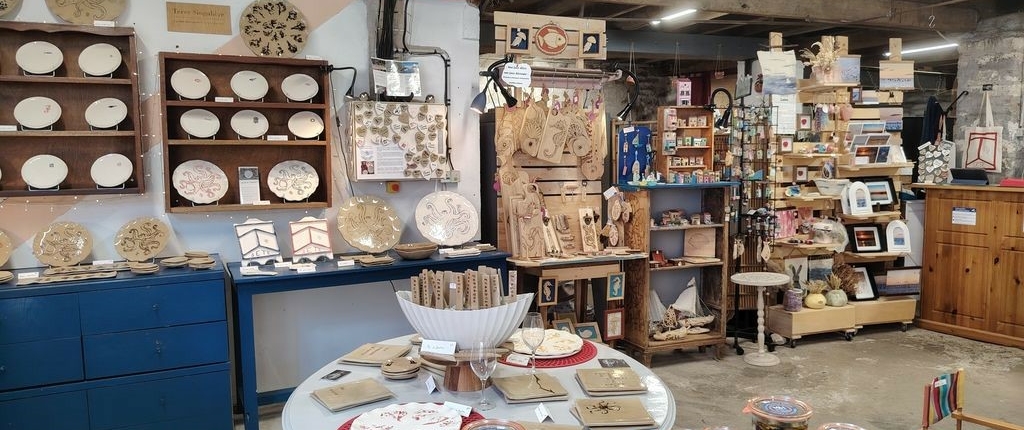
Handcrafted ceramics. Cyrielle Garrigues’ pretty shop is an ode to Sète. Pots, plates, trinket dishes… Pretty items to treat yourself. The artisan also hosts other creators.
40, rue Paul Valéry